

 Case studies
 3D Bar

March 2019
3D Bar
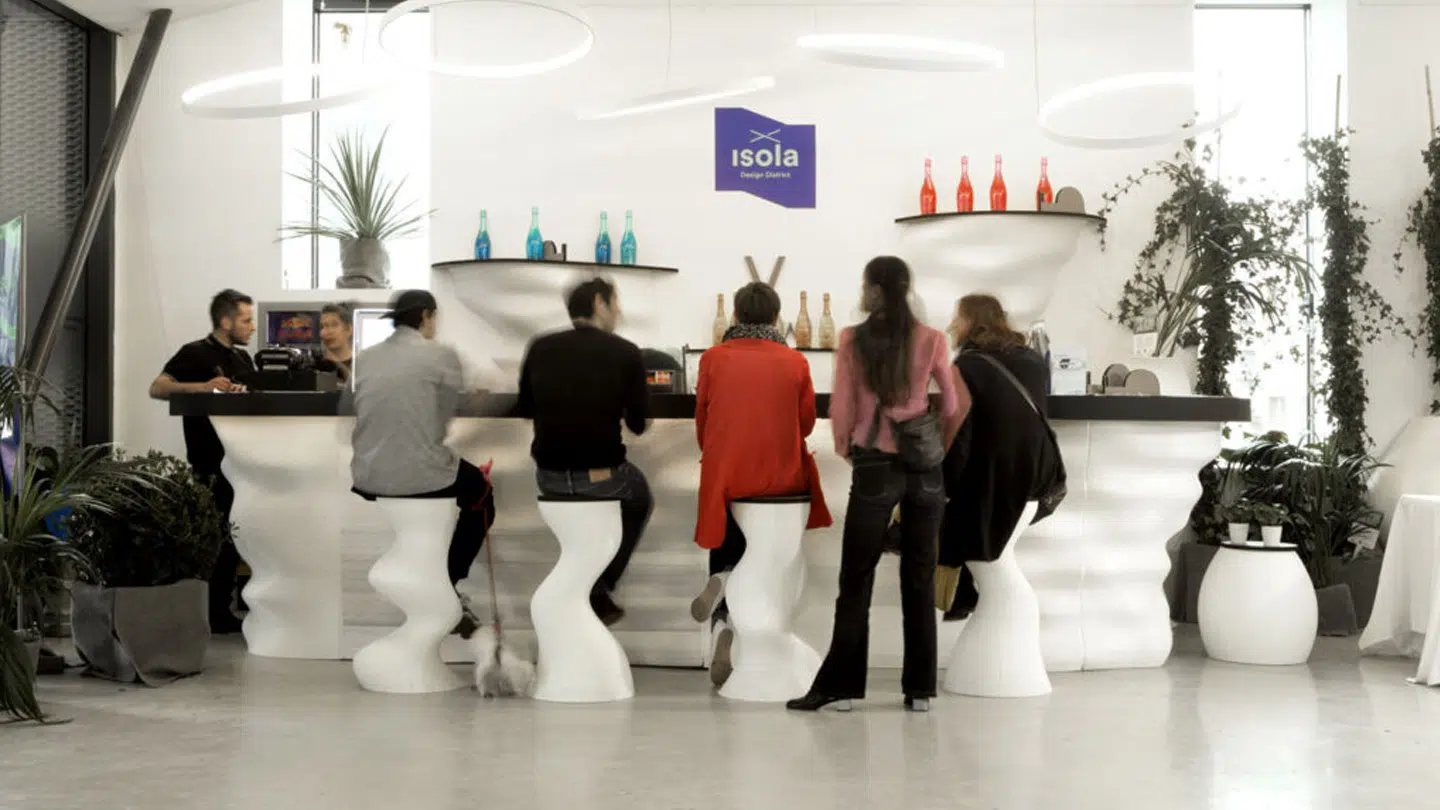
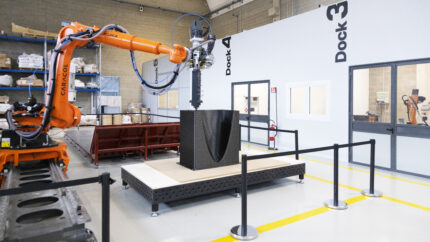
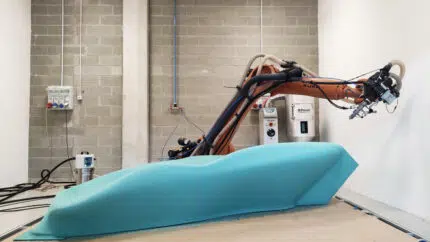
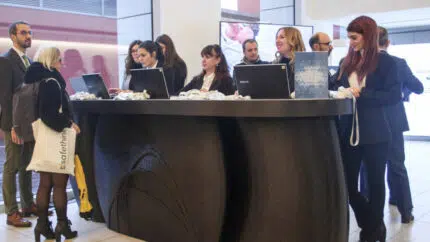
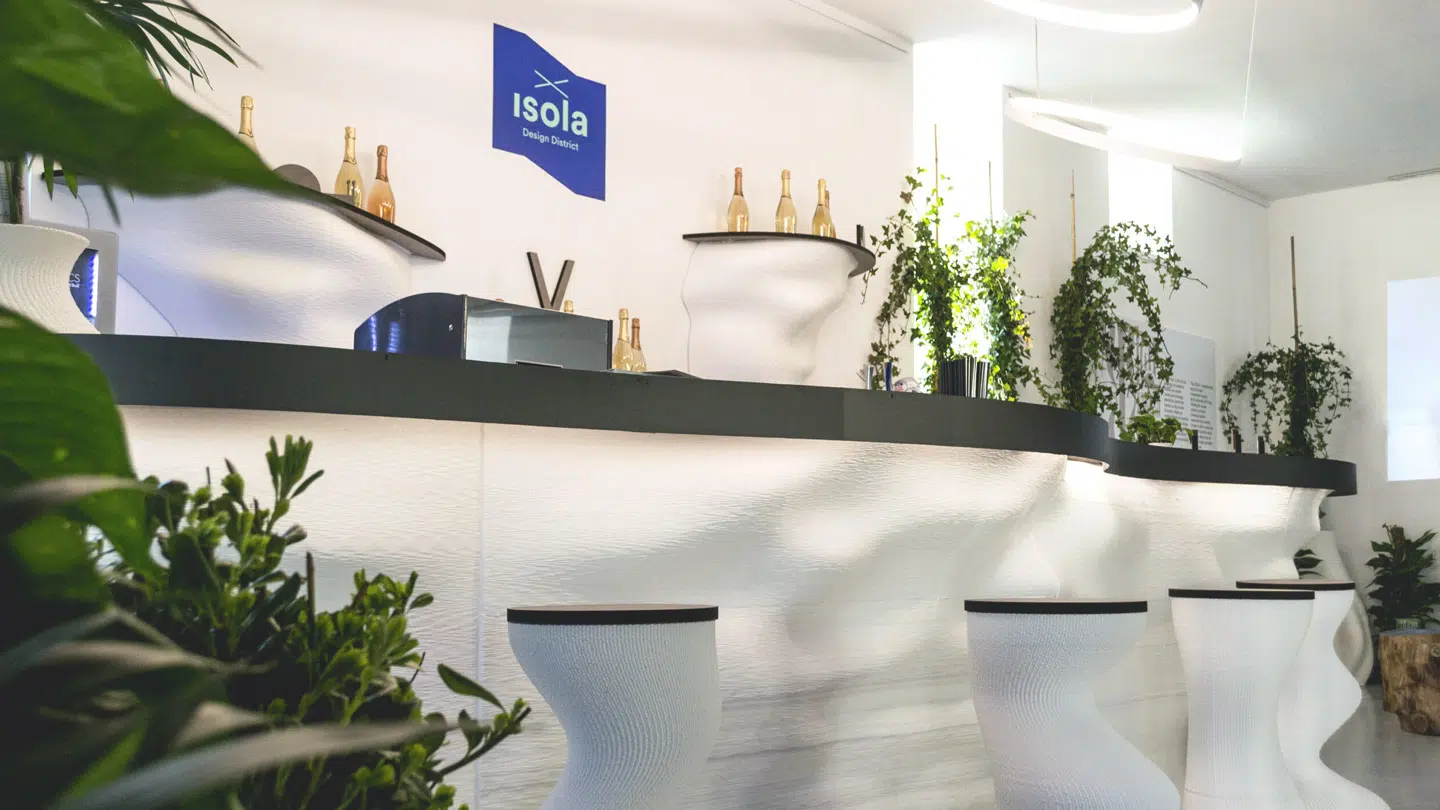
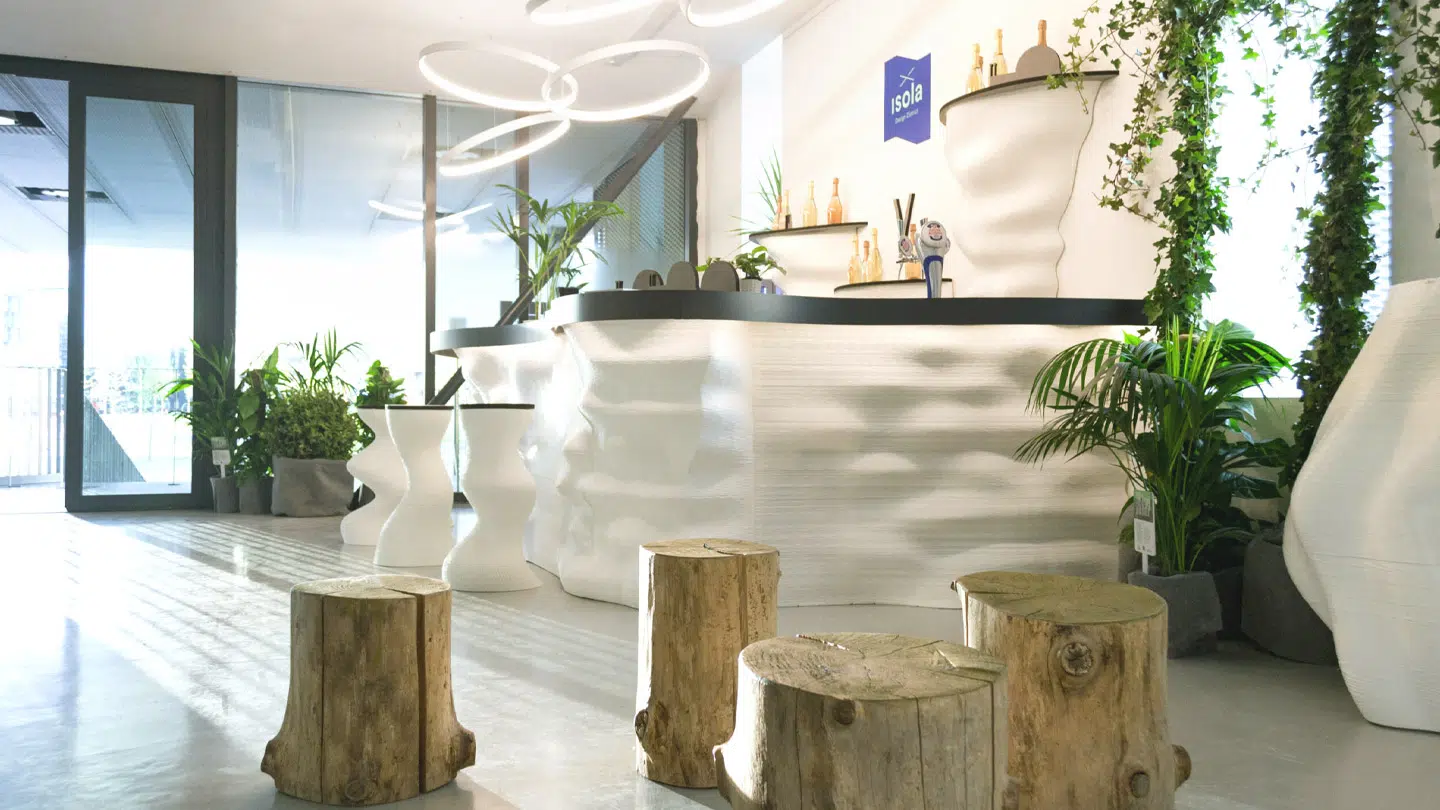
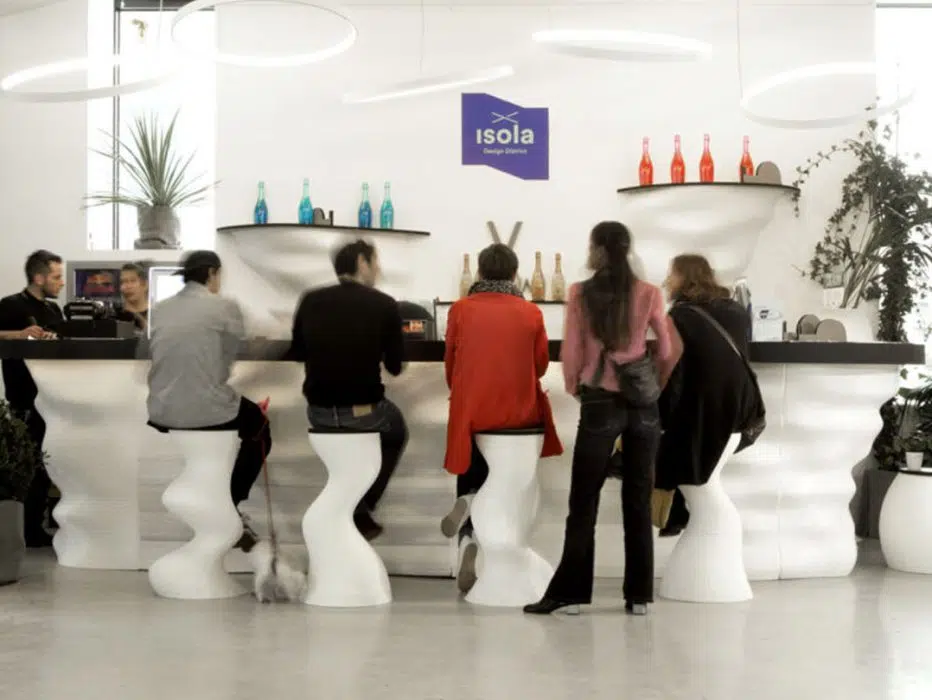
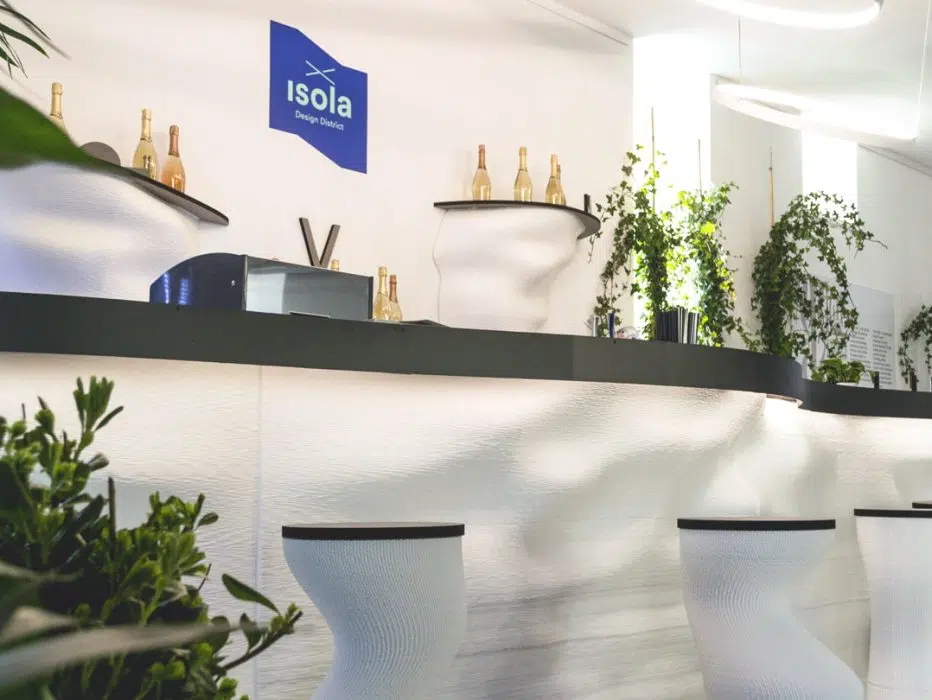
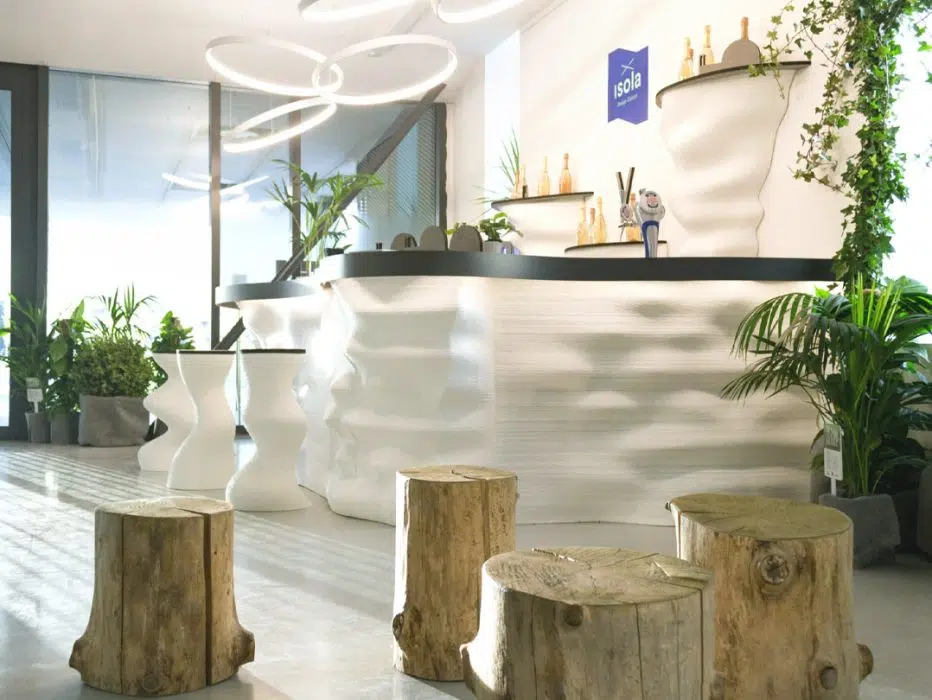
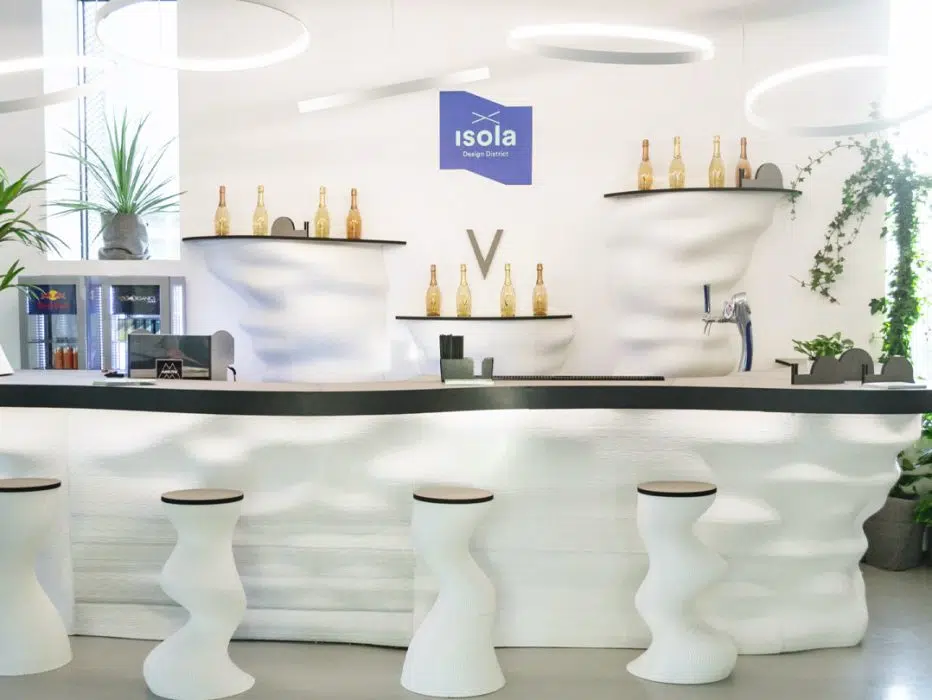
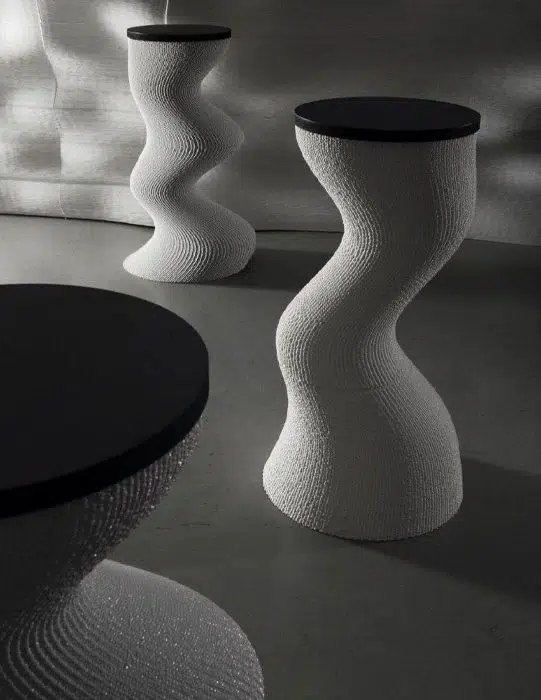
“The 3D Bar” is the first bar ever to be completely 3D printed by a robotic arm system, developed by Caracol and during the 2019 edition of Milan Design Week. At “The 3D Bar” visitors could enjoy a drink surrounded by the organic shapes of the bar.
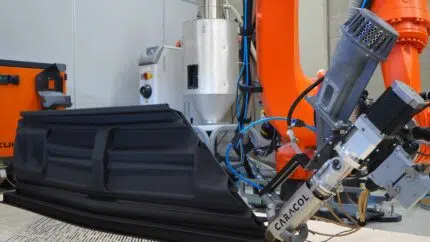
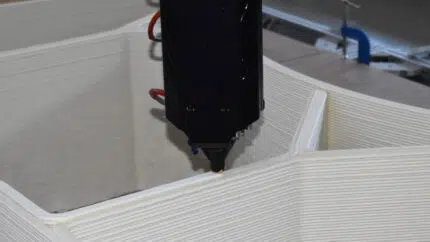
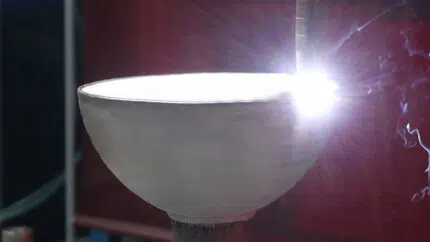
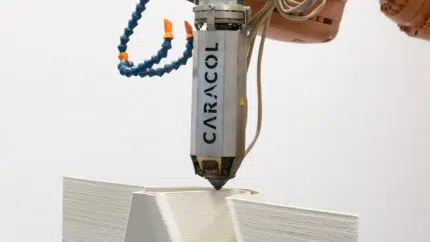
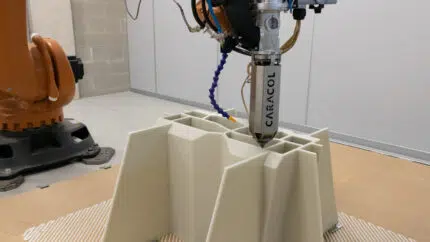
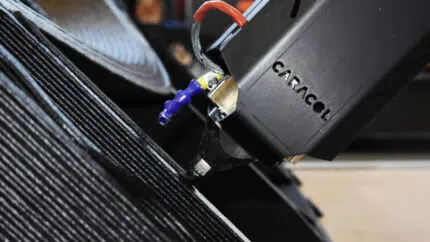
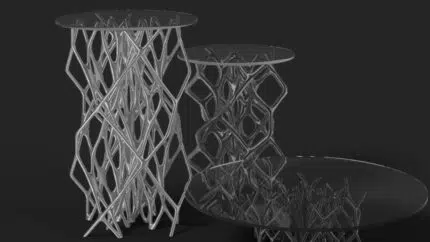
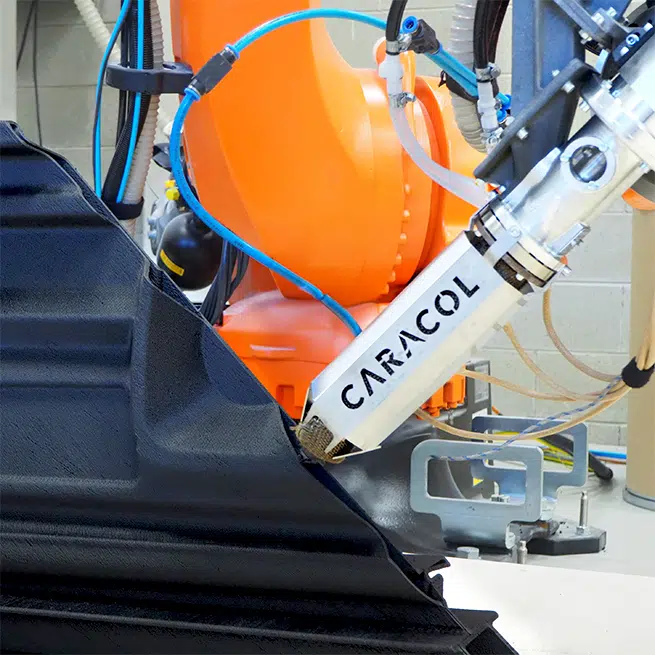
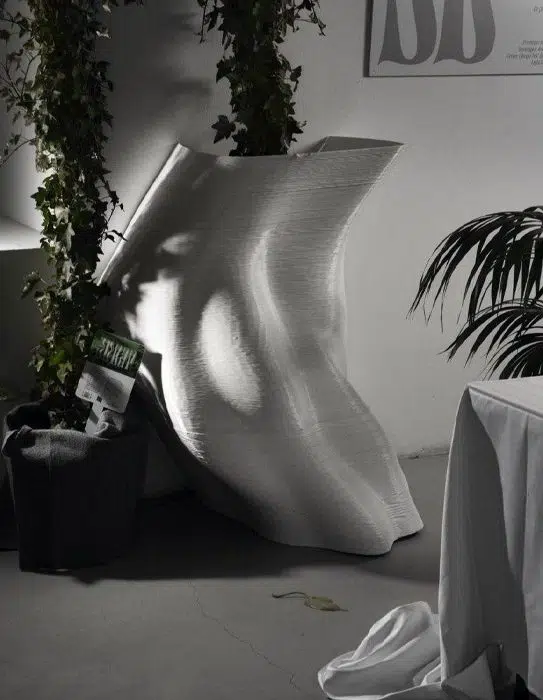
These geometries were conceived through a generative design process and produced thanks to Caracol’s deep knowledge of additive manufacturing technologies. To print such a big installation, Caracol has used a proprietary technology that converts industrial robots into extremely fast and flexible 3D printers, able to overcome the limits of traditional printers.
By combining design and technology “The 3D Bar” witnesses how it is possible to create an unprecedented and astonishing aesthetic that is an expression of a new sustainable way of production.
Environmental sustainability is a core element in the design of “The 3D Bar”: since this robotic technology is able to directly process recycled plastics in form of pellets and shreds, every furniture piece of “The 3D Bar”, from stool to counter, is made of recycled PLA. We partnered with Flo Spa and recovered their industrial plastic waste coming from coffee cups, to use it as construction material for “The 3D Bar”.
This circular economy approach, which adds new value to the discarded plastic, combined with additive manufacturing made “The 3D Bar” a virtuous example of an innovative and sustainable crafting solution.
02 3D Bar
03 3D Bar
A second version was created for Lavazza in the Italian pavilion of the Dutch Design Week in October 2019 in Eindhoven.
Sustainability is a core element in our work: we want to revolutionize the productive system by creating innovative and more sustainable manufacturing solutions. The 3D Bar uses plastic waste coming from coffee capsules: by recycling this material we gave it a second life, with a circular economy approach
LFAM FOR THE AUTOMOTIVE INDUSTRY
Related Case Studies
Check out our success stories
-

Case studies. Robotic 3D printing of custom design furniture
-
Case studies. Van Venrooy and Caracol 3D print end-parts for automotive custom vehicles
-
Case studies. Bringing LFAM to industrial production for advanced applications in the automotive sector
-
Case studies. LFAM aerospace composite parts fly high with 3D printed autoclave molds
-
Case studies. How large 3D printed mock-ups can accelerate the automotive industry
-
Case studies. 3D printed tools for aircraft manufacturing
-
Case studies. Pressurized Tanks for Space with WAAM
-
Case studies. 3D printed autoclave cure tooling for the automotive industry
-
Case studies. Yacht Superstructures – Air Grids
-
Case studies. Wind Blades’ Lamination Tooling
-
Case studies. Beluga – 3D Sail Boat
-
Case studies. Torre Capitolare
-
Case studies. Yamamay Totem
-
Case studies. Valentino Rossi gets giant 3D printed helmet from Caracol AM
-
Case studies. Caracol working to bridge the gap on sustainable manufacturing
-
Case studies. Satellite Tank – D-Orbit
-
Case studies. Aerospace Tooling Jig
-
Case studies. Caracol at Isola Digital District 2020
-
Case studies. Upcycling – Maire Tecnimont
-
Case studies. Race Car Spoiler